


Geo
City & county pages
Useful local pages tied to real service coverage and proof.
Build geography and service coverage the way Google and customers expect — hub pages, useful city content, and internal links proven on Screen Team and Faith Works builds.
Service-area page strategy documents how hub pages, city landing pages, and service silos link together — scaled to how far crews actually travel, not national template city spam.
Faith Works deploys 82 land-clearing pages across Polk County and Central Florida. Screen Team covers Tampa Bay enclosure metros at 36 pages. Knight Group adds 30+ handyman city pages across Pinellas, Hillsborough, and Pasco when the trade is repair-first.
Excavation and roofing trades adapt radius and content depth accordingly — the architecture is the product, not a recycled proof paragraph on every growth URL.
Service-area pages succeed when each URL answers a real local query with unique proof — not doorway swaps with swapped city names.
Hub-and-spoke internal linking between services and metros helps crawlers and AI summaries understand your true mobilization radius.
City landing pages for contractors should include coverage honesty, project proof, FAQs, and estimate CTAs — not a paragraph of spun filler.
Local SEO geography strategy ties website metros to GBP service areas so Pinellas and Hillsborough claims do not contradict the profile.
Search Console indexing checks after launch catch soft 404s and orphan city pages before you scale the next county.
Expand metros only when crews actually travel there — responsible scale beats a hundred thin city URLs.
Agencies sell 50 city pages with swapped names and no proof. Google ignores them. Customers bounce. Faith Works and Screen Team show responsible scale.

Built from live Knight Logics workflows — not generic agency checklists.
Geo
Useful local pages tied to real service coverage and proof.
Silos
Separate pages for distinct offers and search intents.
Links
Hub pages, breadcrumbs, and crawl paths that make sense.
GBP
Website geography matches profile service areas.
Land clearing geography at scale with unique utility per region.

Pool enclosure metros across Tampa Bay with service-specific hubs.

Service-area architecture deliverables — hubs, city pages, and internal linking by crew radius.
Strategy doc precedes build — audit identifies geography gaps before page production.
A clear path from intake to launch — scoped to what your team will actually use.
Map real service radius vs GBP claimed areas.
Service parents and geography children with link rules.
What every city page must include — proof, FAQs, CTAs.
Submit, monitor indexing, and fix crawl issues early.
Geography outcomes when city pages match real travel distance, not doorway spam.
Pages match crew mobilization — reducing wasted estimate trips.
Internal linking distributes authority to city intents.
Template framework adds metros without reinventing IA.
97-page benchmark shows what full trade coverage looks like at scale.
Contractors serving multiple Tampa Bay metros
Excavation and land clearing with wide counties
Businesses burned by cheap city-page packages
Owners aligning website and GBP geography
 82 pages
82 pages of responsible land clearing geography — reference for large-footprint strategy.
Faith Works case study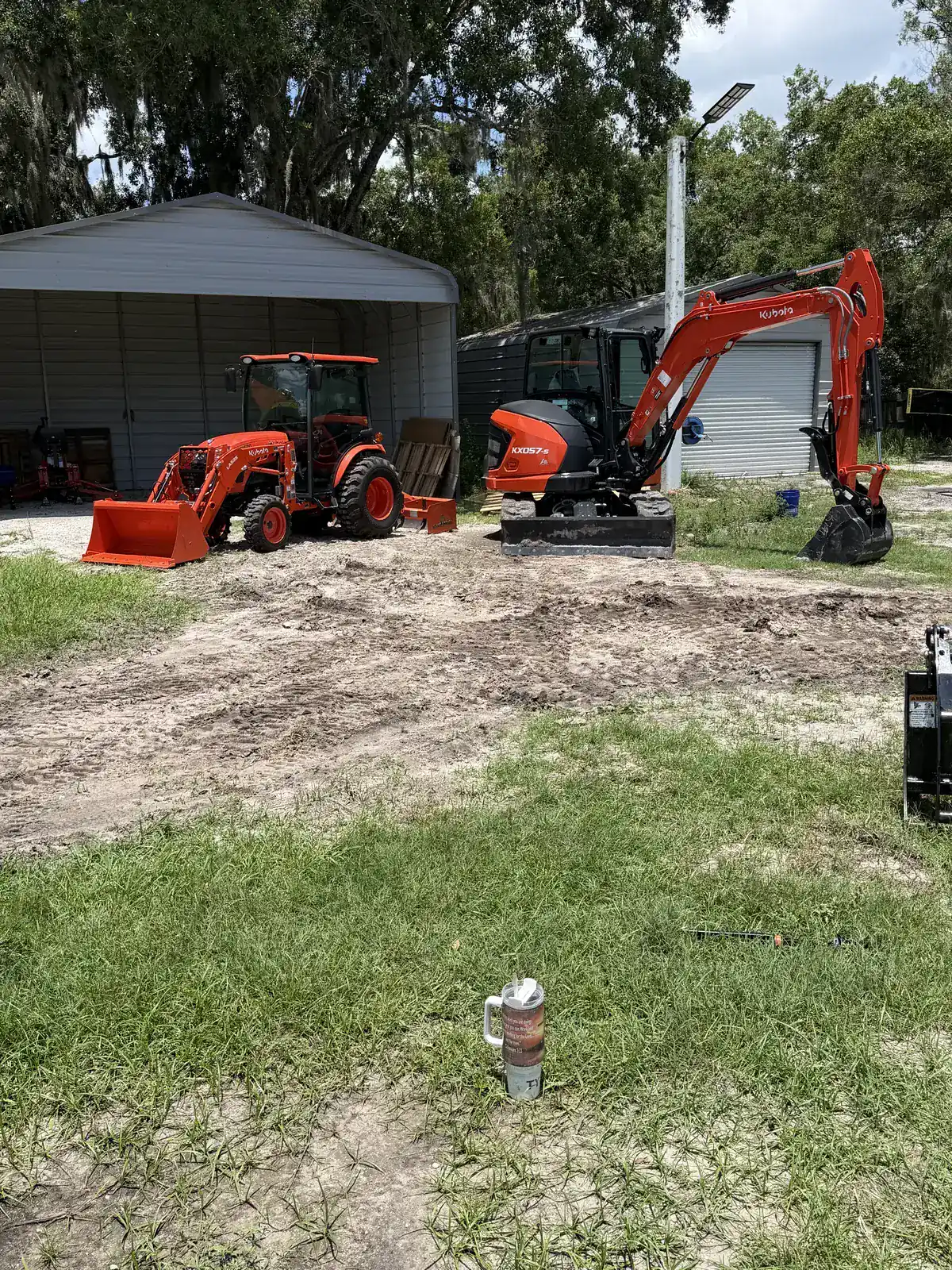
82 pages Faith Works
Faith Works deploys 82 land-clearing pages across Polk County and Central Florida — hub pages, city landing URLs, and internal links scaled to real crew mobilization, not national template spam.
81 URLs Screen Team LLC
Screen Team shows mid-scale service-area strategy: six service silos, metro hubs, gallery proof, and quote CTAs on every high-intent geography page.
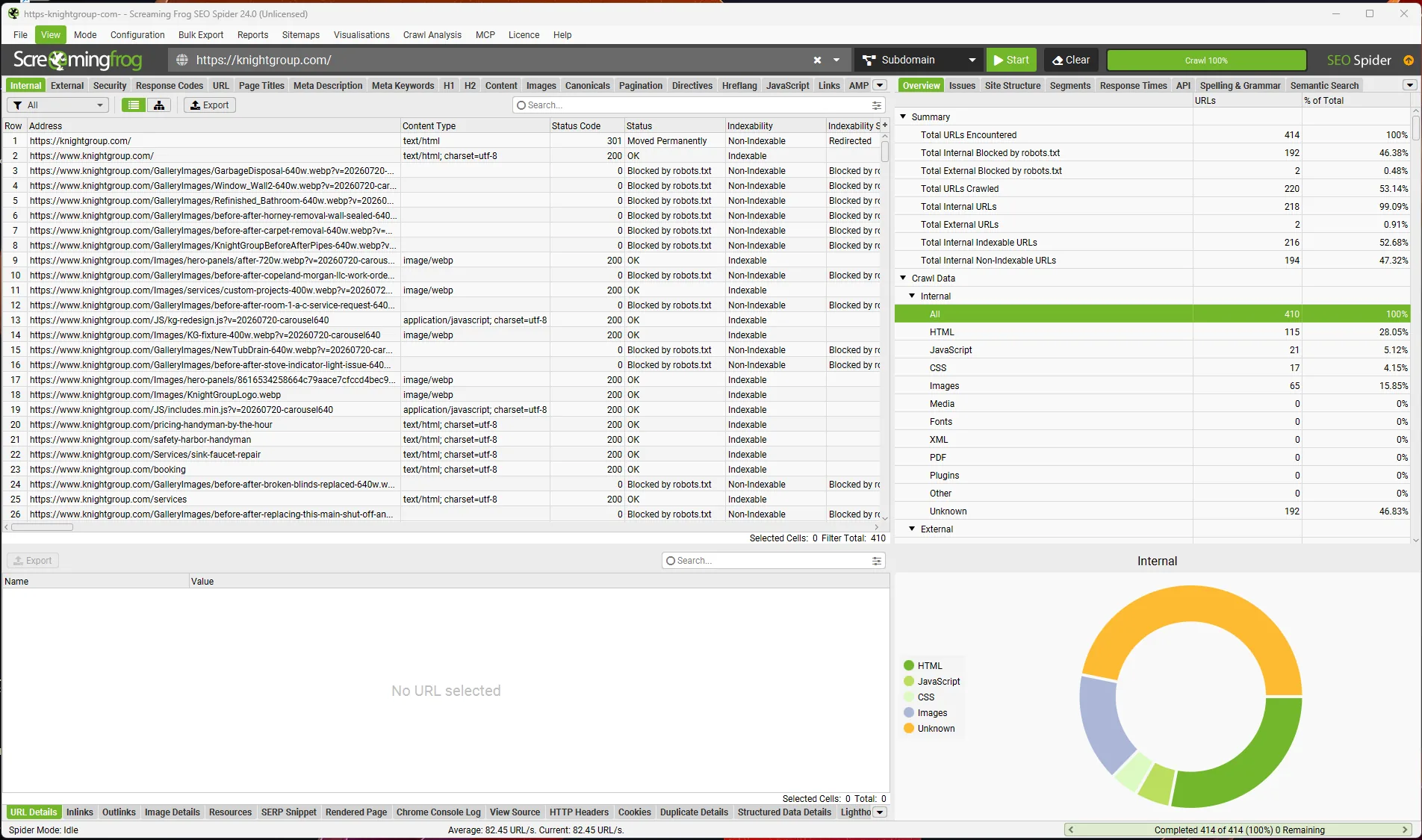
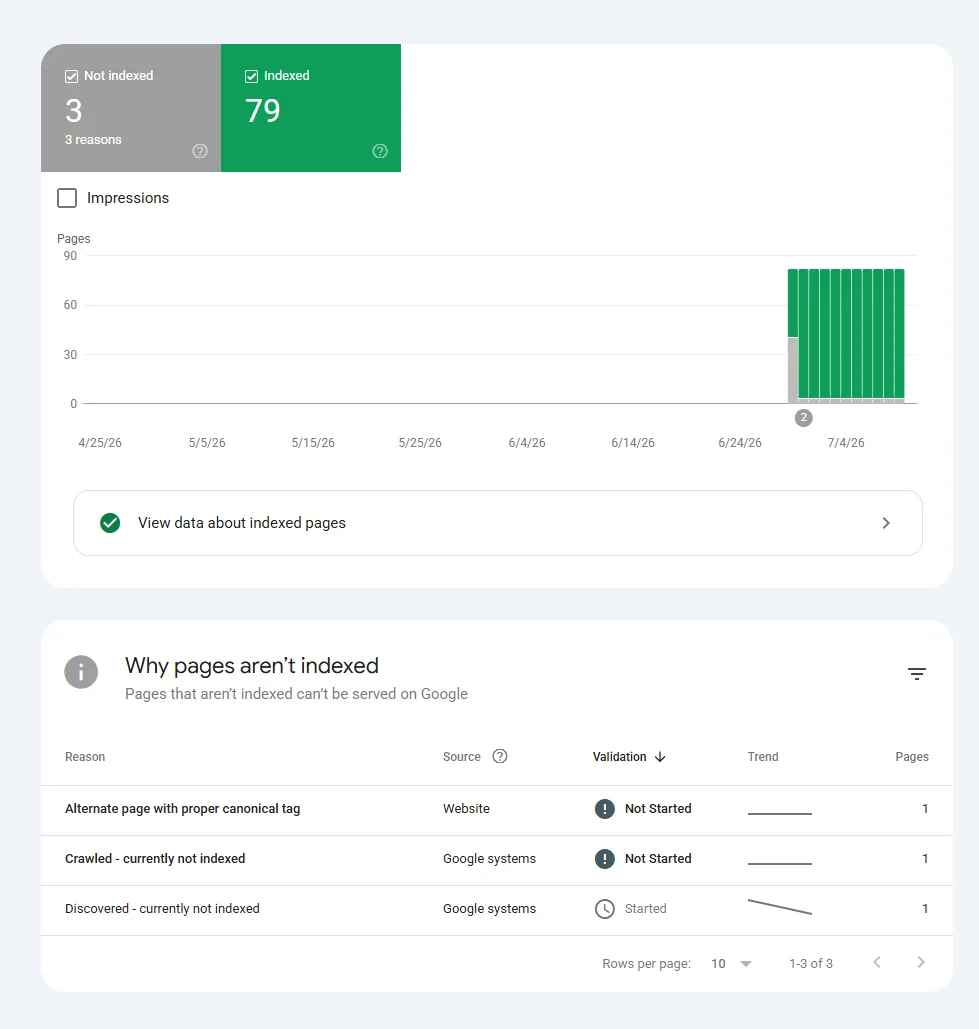
Service-area proof from land-clearing and enclosure footprints — page counts tied to this strategy page only.
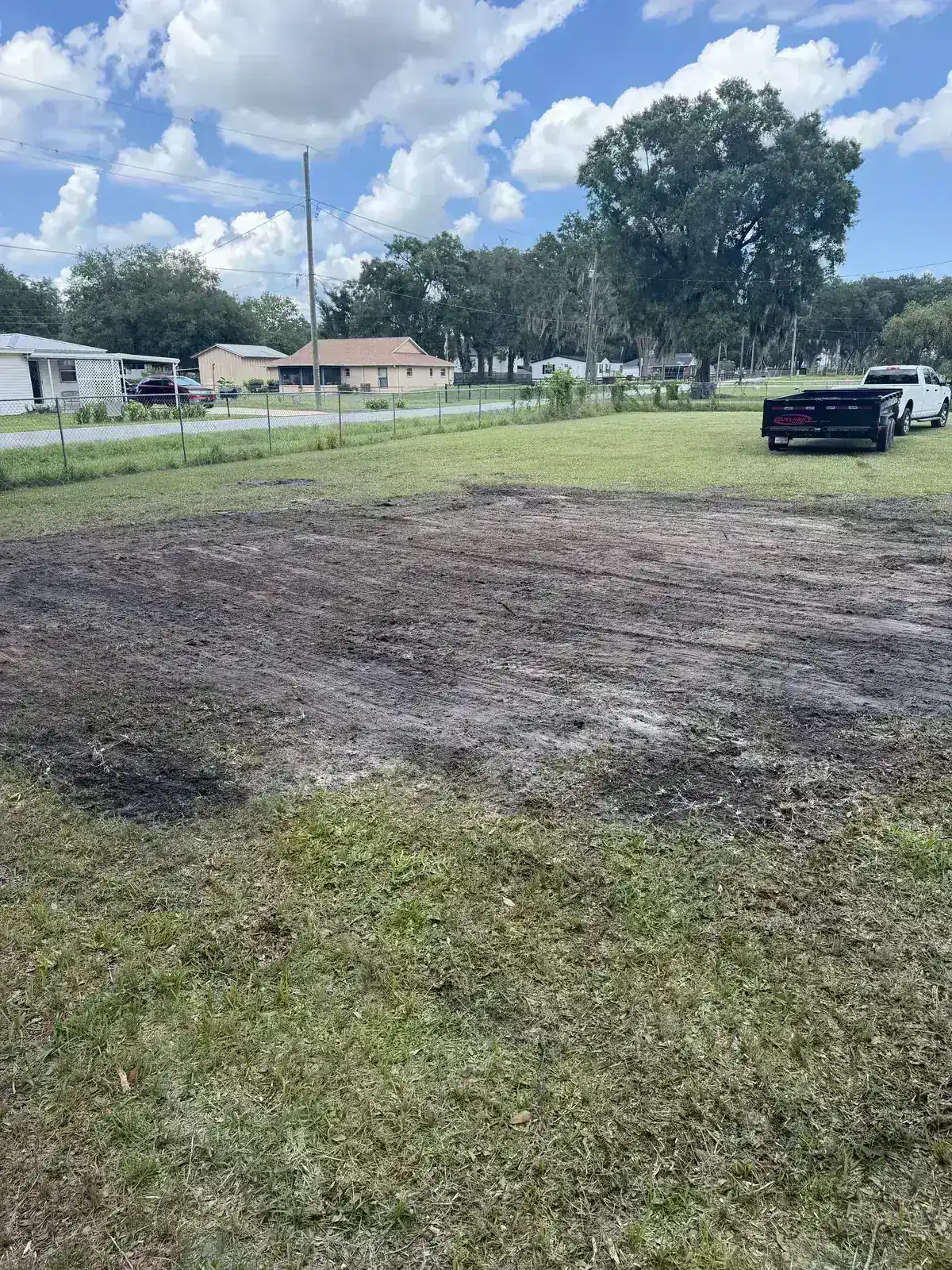
82 land clearing and forestry mulching pages across Central Florida — faithworks OutreachEngine lane, schema, GA4/GSC, and GBP alignment in the full growth stack.

81 indexable pages for pool enclosure and screen repair across Tampa Bay — st OutreachEngine lane, Email-Agent mapping, and full growth stack.
Hub service pages link to city/county children with unique local utility, proof, FAQs, and CTAs — never doorway pages that only swap city names.
Depends on coverage — Screen Team depth for Tampa Bay metros; Faith Works scale for multi-county site work. We scope to how far crews actually travel.
Pages follow human-edited standards with local utility — not bulk AI swap.
Website geography must match Google Business Profile service areas and consistent name/address/phone citations — conflicting metros kill map-pack trust.
Launch includes sitemap submission, indexation monitoring, and early crawl-fix fixes so new city pages do not sit undiscovered.
New metros or services added with the same hub linking rules and content standards.
Share your service radius and trades — we will propose hub and city architecture.
Request a Consultation