Local SEO Services

Local SEO for Tampa Bay — Fix What Actually Blocks Rankings

If you searched local SEO for a Tampa Bay service business, you need implementation — not another monthly PDF. Knight Logics fixes crawl blockers, weak city/service structure, metadata, schema, internal links, and Google Business Profile alignment so organic and map visibility can move together.

On-pageMetadata, content structure, and local intent alignment
TechnicalSchema, canonicals, indexing, crawl paths, internal links
Maps + organicSite work aligned with profile and conversion signals
Tampa BayLocal focus with remote delivery when needed

What local SEO work looks like in the tools

Local SEO Tampa Bay projects leave artifacts — crawl health, index coverage, schema validation, and mobile performance — so you can see the stack improving, not just a monthly PDF.

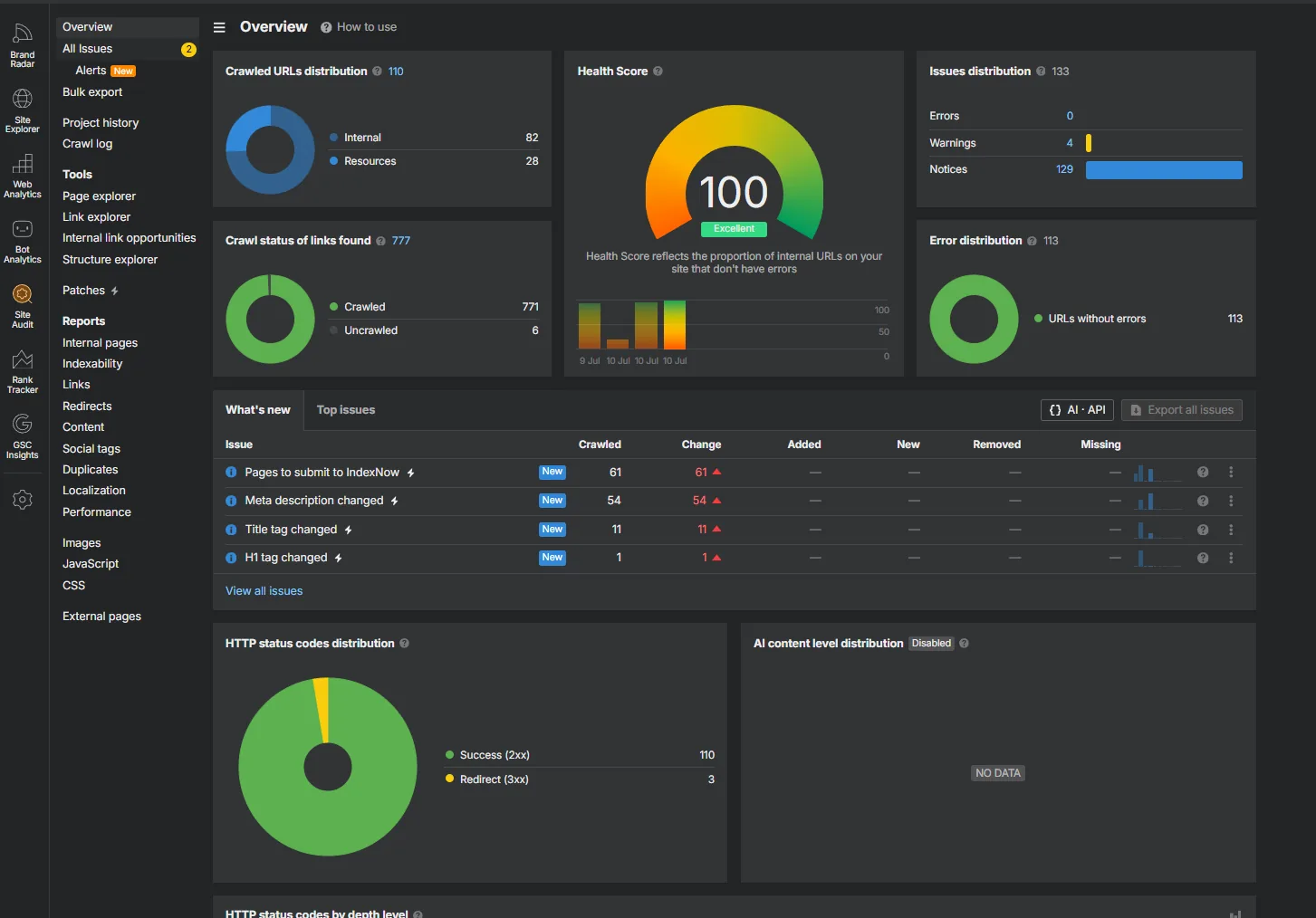
Ahrefs Site Audit showing Excellent health score with zero crawl errors

Technical Crawl health before content expansion

Ahrefs Site Audit — zero-error target

We clear broken links, thin tags, and indexability gaps before adding city pages. Expanding content on a broken crawl path just multiplies waste.

  • Site-wide title / H1 / meta hygiene — not homepage-only
  • Status codes, redirects, and orphan URL cleanup
  • Issues fixed in the build, not billed as a surprise upsell
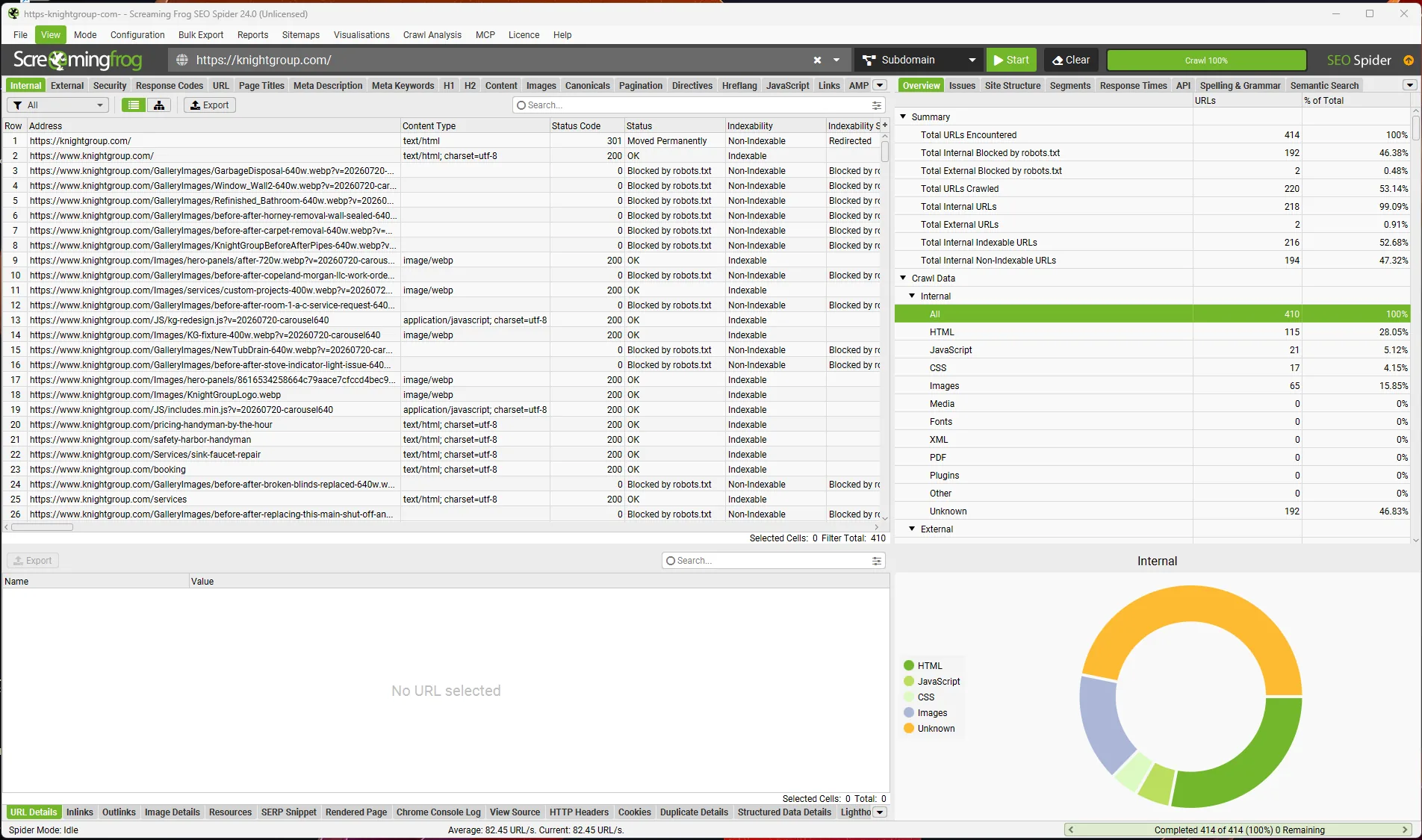
Screaming Frog crawl export used for local SEO technical cleanup

Technical URL inventory you can trust

Screaming Frog — crawl paths and duplicate waste

Frog catches soft 404s, redirect chains, and duplicate titles that Search Console alone can bury. Local SEO without crawl discipline leaves good city pages undiscoverable.

  • Canonical and duplicate URL review
  • Internal-link gaps to money pages
  • Exportable issue lists for implementation priority
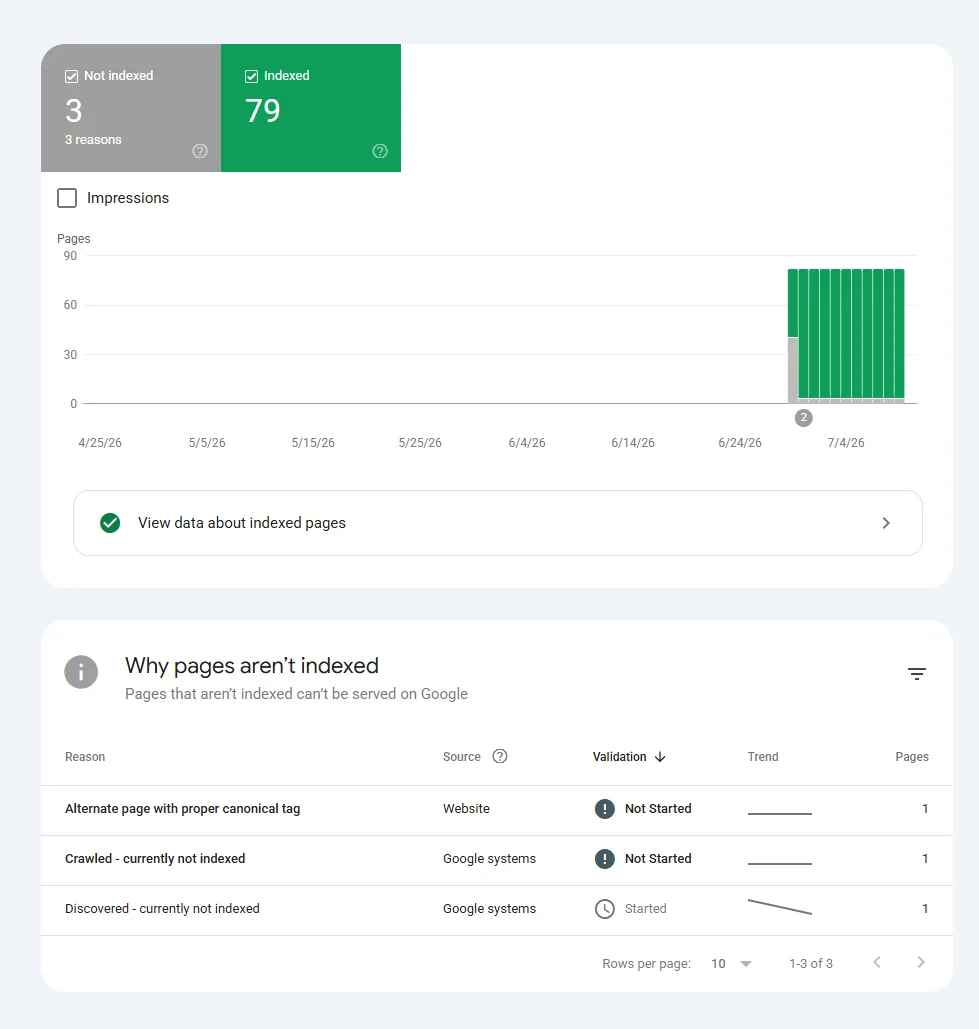
Google Search Console coverage showing strong indexation on a Knight Logics-built site

Indexing Impressions require coverage

Search Console — indexed pages that can actually rank

City and service URLs only help when they appear in coverage. We submit sitemaps, watch exclusions, and confirm new local pages are eligible before promising map-pack or organic lift.

  • Coverage monitored after every local launch
  • Soft 404 and “crawled — not indexed” triage
  • Impression → click → call measurement on service/city URLs
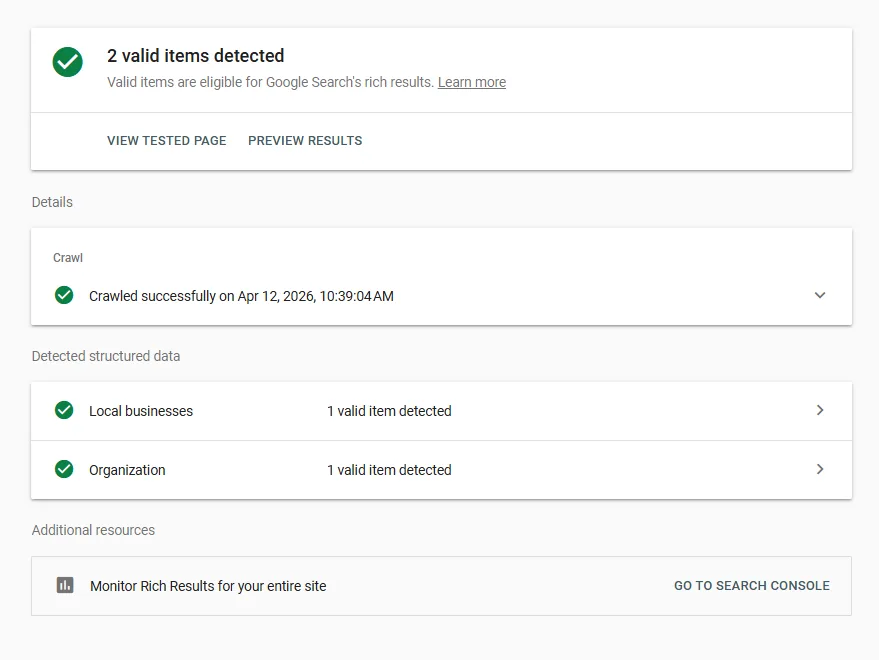
Google Rich Results Test showing valid LocalBusiness and Organization schema

Schema Valid in Google’s tester

Rich Results — LocalBusiness + Organization accepted

Plugins often emit broken JSON-LD. We implement typed schema and prove it in Google’s Rich Results Test so map and entity signals stay clean.

  • LocalBusiness / trade subtype + Organization
  • FAQ and BreadcrumbList when content supports it
  • NAP fields consistent with GBP and on-page contact
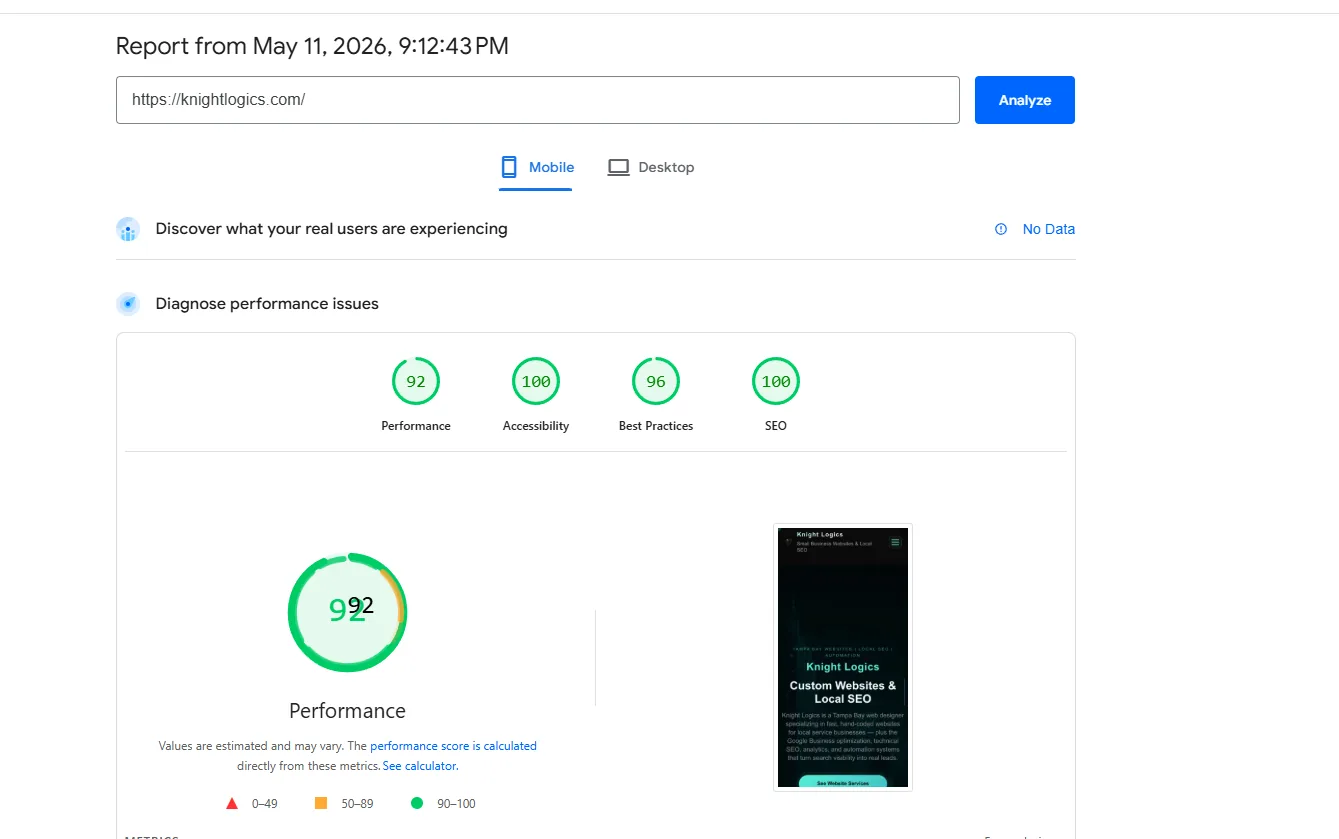
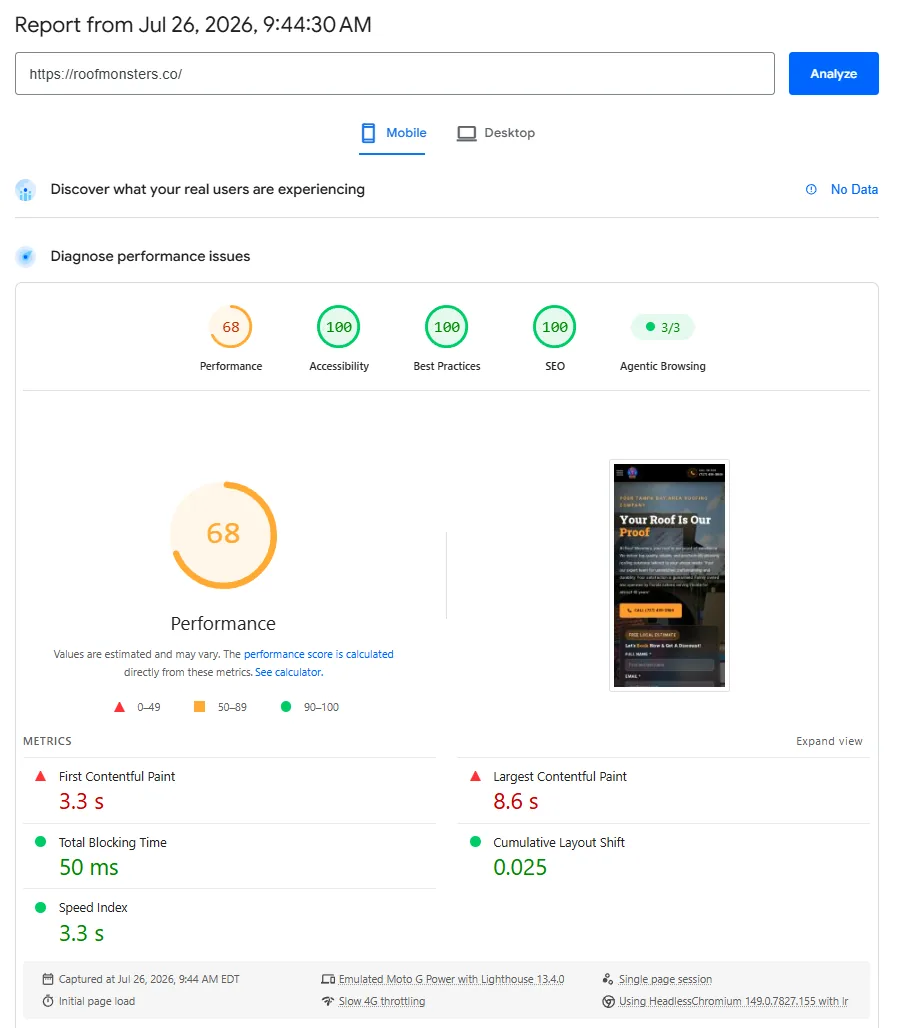
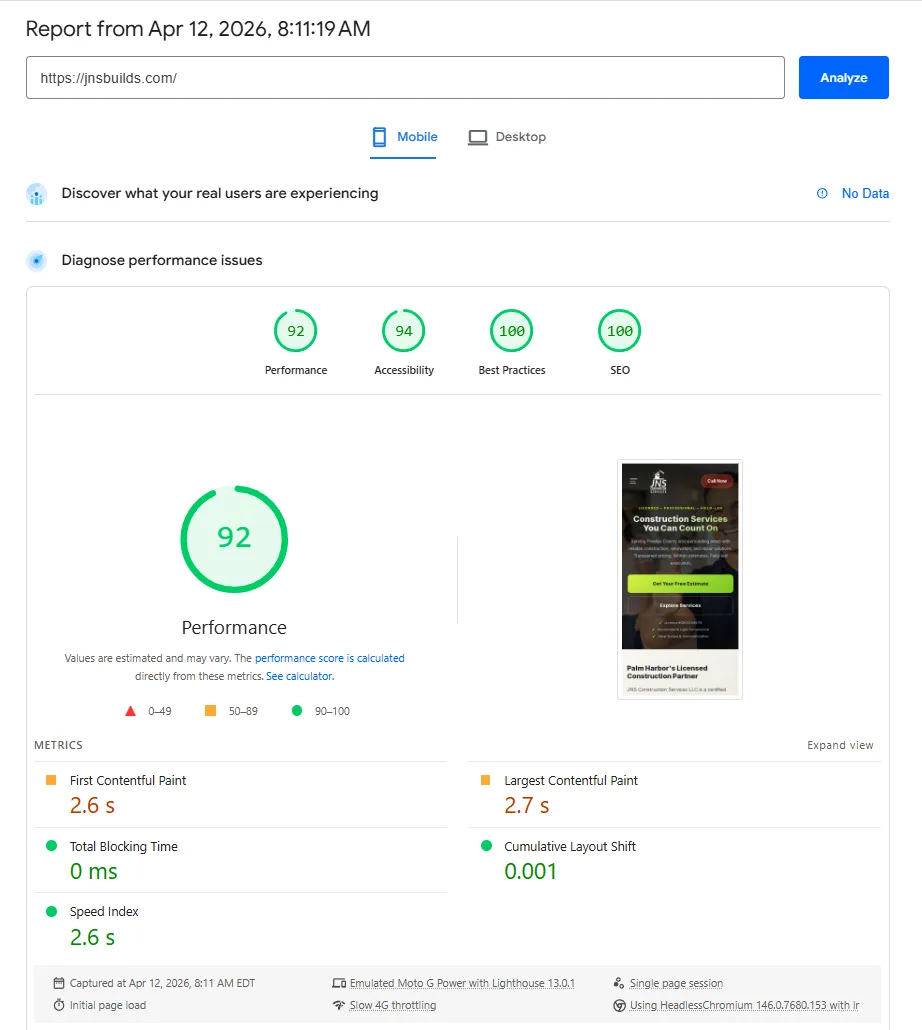
PageSpeed Insights mobile lab report for knightlogics.com

Mobile Map-pack clicks land on phones

Mobile PageSpeed — local pages that do not bounce

Most local leads arrive on mobile. Heavy builders lose the visitor before the estimate form loads. We treat mobile lab scores as part of local SEO readiness, not a separate “speed project.”

  • Slow 4G lab checks on mid-tier phone emulation
  • Image and script budgets for service and city pages
  • Call and estimate CTAs visible above the fold on phone

Search visibility is usually a stack problem.

Local ranking issues rarely come from one missing setting. More often the site has weak service or city structure, thin metadata, inconsistent schema, poor inlinks, indexation drift, or pages that do not match how the business actually wants to be found.

  • Title tags, meta descriptions, headings, and page targeting cleanup
  • Internal-link structure and crawl path improvement
  • Schema markup for local business, service, FAQ, and breadcrumbs
  • Canonical, duplicate, and indexing issue cleanup
  • Service-area and city-targeting page planning

Audit first, then implementation.

The first pass is about identifying the highest-leverage fixes, not inflating scope. Some sites need a tighter local service structure. Others need better GBP alignment, stronger schema, or simple crawlability repairs.

  • Start with the pages and queries that matter most
  • Remove technical blockers before expanding content
  • Build city or service-area pages only when they add real value
  • Coordinate site fixes with GBP improvements when needed

The main local SEO lanes

The right mix depends on the current site, the market, and how much visibility work should happen on the website versus the business profile.

Technical cleanup

Canonicals, duplicate URLs, metadata length, crawl waste, image weight, indexing, and schema gaps that weaken trust or discoverability.

Structure and inlinks

Service pages, city pages, navigation, footer links, and contextual body links that make the core pages easier to find and understand.

Local intent pages

High-quality service-area pages or location-targeted sections that match the real footprint instead of bloating the site with thin duplicates.

Local SEO Tampa Bay that matches how people search

Map pack and “near me” intent win when your site geography, NAP citations, and Google Business Profile tell the same story across Pinellas and Hillsborough. Local SEO Tampa Bay work is not a blog calendar — it is crawlable structure, schema, and conversion paths that turn impressions into calls.

Hyperlocal keyword architecture

Primary service intents (repair, install, estimate) sit above city modifiers. We map queries people actually type in Clearwater, St. Petersburg, Tampa, Safety Harbor, and surrounding Pinellas/Hillsborough metros — then assign one durable URL per intent instead of stuffing every phrase onto the homepage.

City and service silos

Service hubs link to city children with unique proof, FAQs, and CTAs. City pages answer local logistics (coverage, response expectations, project examples) without doorway spam. Internal links make crawlers and humans understand your true mobilization radius.

Schema checklist

LocalBusiness (or trade-appropriate subtype), FAQPage where answers are real, BreadcrumbList, and Service markup where content supports it. Schema is validated after launch — not pasted once and forgotten when pages change.

GBP ↔ site parity

Categories, services, hours, phone, and primary website URL must match owned pages. NAP consistency across the site footer, contact page, and profile reduces mixed signals that stall map pack eligibility. Posts and photos should echo campaigns already live on the website.

Measurement: impressions → calls

Search Console shows which service and city URLs earn impressions and clicks. Analytics and call tracking show which pages produce estimate requests. We prioritize fixes that move qualified visibility — not vanity keyword reports that never touch the phone.

Indexing hygiene matters: sitemaps submitted, soft 404s cleaned, and new city pages monitored until they appear in Search Console coverage. Local SEO without indexing discipline leaves good pages undiscoverable.

This practice page is distinct from the service-area page strategy growth lane — here the focus is audit-to-implementation local SEO for Tampa Bay operators who need map pack readiness and organic support together.
Local SEO FAQs

Do you only work on sites you built?

No. Existing sites can be audited and improved if the platform and access are workable. In some cases the right answer is cleanup; in others it is a targeted rebuild.

Can you help if rankings dropped?

Yes. The first step is to identify whether the problem is technical, structural, profile-related, competitive, or content-related before changing anything major.

Do service-area pages always make sense?

No. Some businesses benefit from them, but thin or repetitive pages can do more harm than good. The pages have to map to real intent and useful content across Pinellas and Hillsborough coverage you actually serve.

What if my Google Business Profile is the bigger issue?

Then the work should include the profile directly. NAP parity, categories, and review velocity often move map pack faster than another homepage rewrite alone.

How do you measure local SEO success?

Search Console impressions and clicks on service/city URLs, map-pack engagement where available, and estimate calls or form fills — not keyword screenshots with no conversion path.

What schema do you typically implement?

LocalBusiness (or trade subtype), FAQ where answers are genuine, BreadcrumbList, and Service markup when the page content supports it — validated after deploy.

See the type of local-visibility work this supports

Local SEO work is strongest when the site structure, trust flow, and service coverage already support the queries that matter. These case studies show that work in practice.

Screen Team LLC mobile website hero

Screen Team LLC

Service-page coverage, strong local structure, and quote-focused conversion for a Tampa Bay service business.

View case study

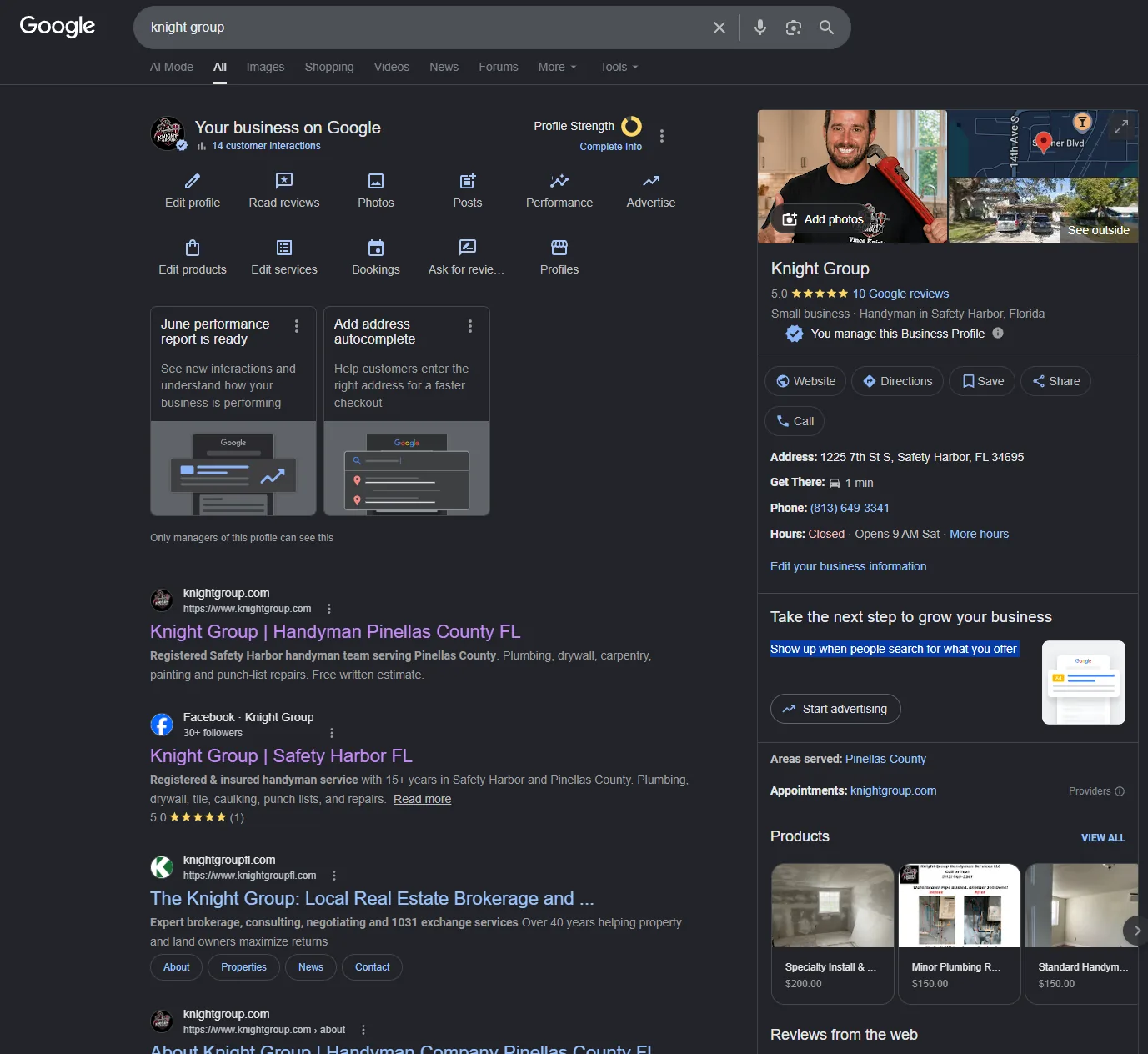
Knight Group mobile website hero

Knight Group

Local service site with Google Business support, estimate-focused conversion, and broader growth-system support.

View case study

JNS Construction mobile website hero

JNS Construction

Contractor build with stronger service architecture, FAQ schema, analytics, and local-search-ready launch depth.

View case study

Local Landing Pages

These are the city pages already closest to visible demand in search. If local rankings matter, they should stay tied directly to the core SEO and website service pages.

Need local visibility work without the fluff?

If the site already exists but rankings, clicks, or conversions are lagging, start with a focused audit and fix the pages that matter most first.