Who remote delivery fits
Owners comfortable with Loom/Zoom reviews, shared Google or Microsoft access, and written scopes. Teams that already manage jobs by phone and email adapt quickly.
Knight Logics is based in Safety Harbor and works on-site across Tampa Bay when that helps. Nationwide small business websites, local SEO, automation, CRM systems, and custom software ship remotely across the United States with honest geo positioning: local proof, national delivery.
Tampa Bay city and trade pages show local proof and market relevance — they are not a limit on where we work. Remote onboarding uses video calls, shared dashboards, account access, and documented handoffs so owners outside Florida get the same operator clarity as Pinellas clients.
Honest geo positioning
We do not pretend to have storefronts in every state. Remote web design US means you get a Florida-based operator who already runs production growth systems for Tampa Bay trades — and who delivers the same build discipline over video to owners in other metros.
If your business is hyperlocal (map pack, GBP, city pages), we still need accurate NAP, service areas, and review strategy for your geography. Being remote does not water down local SEO requirements; it just removes the need for us to sit in your office to ship pages, schema, and conversion paths.
Owners comfortable with Loom/Zoom reviews, shared Google or Microsoft access, and written scopes. Teams that already manage jobs by phone and email adapt quickly.
Tampa Bay operators who want walkthroughs of physical offices, photo shoots on premises, or same-day GBP photo days — we schedule those when you are local.
Eastern Time working hours by default. Weekly or biweekly checkpoints keep projects moving without daily status theater.
Least-privilege account access, documented credentials handoff, and revoke steps at launch. Secrets stay out of email threads.
Delivery proof
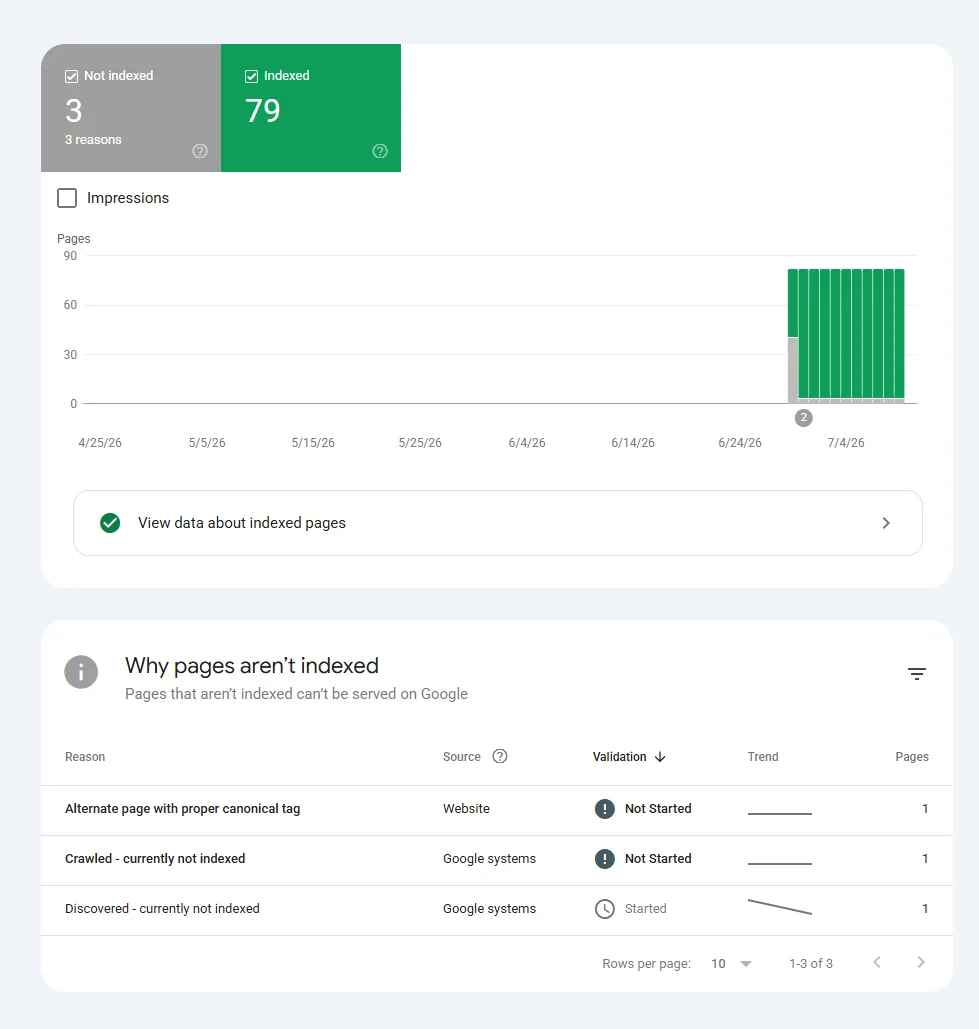
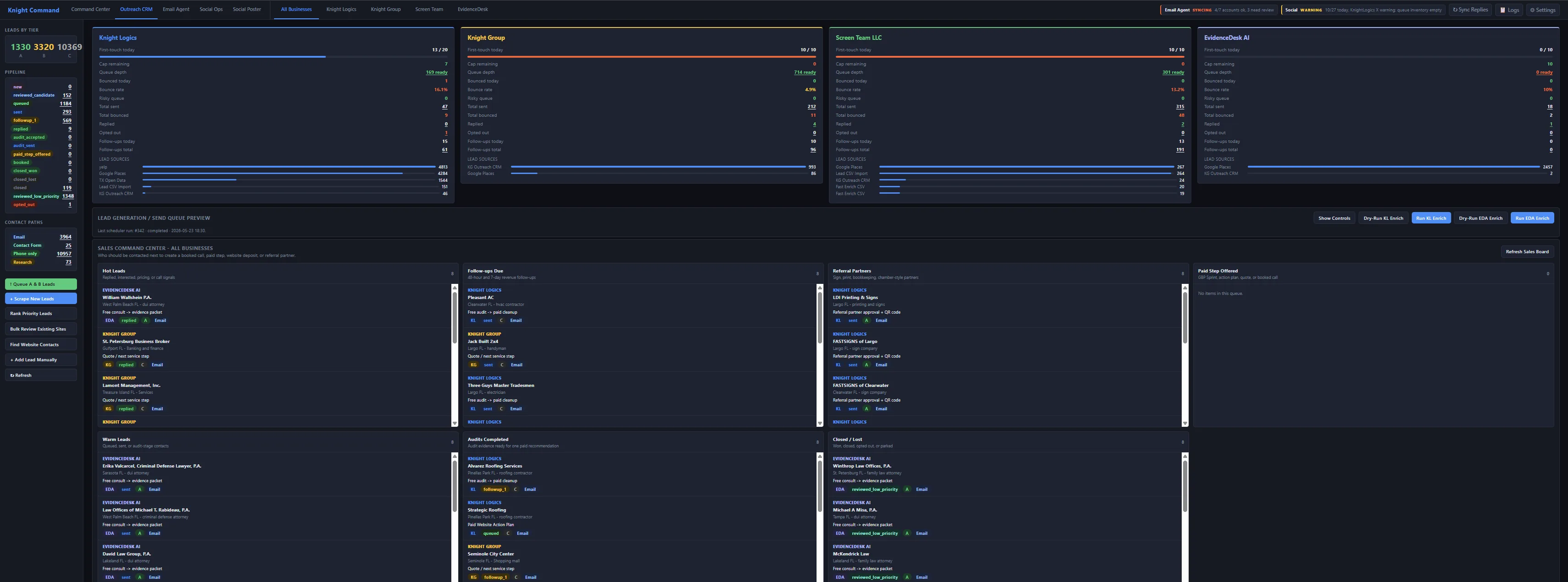
Remote U.S. clients get the same hand-coded builds and operator tooling — video handoffs instead of office walkthroughs. These are real production properties, not stock “agency” mockups.

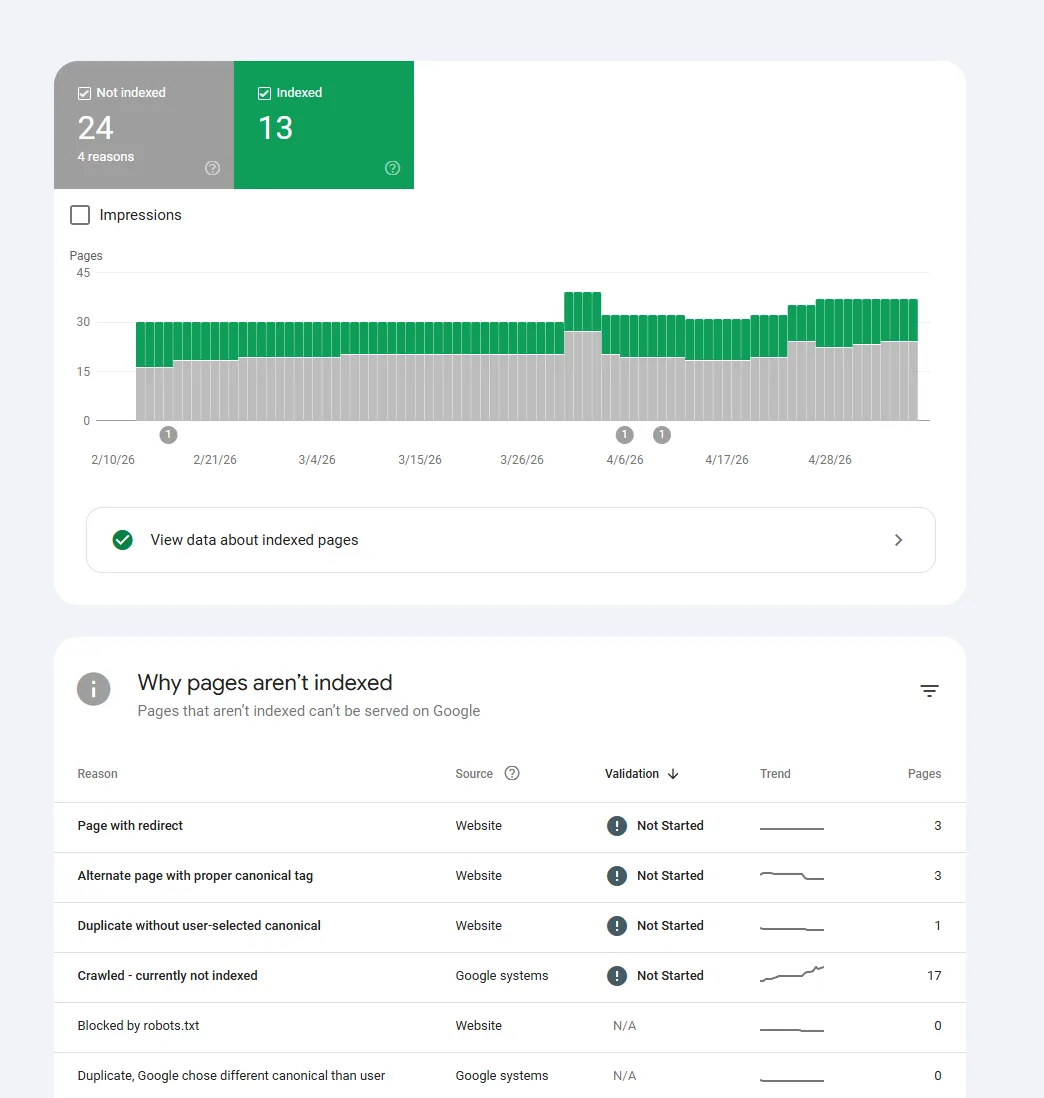
Remote launch Access checklist → coverage
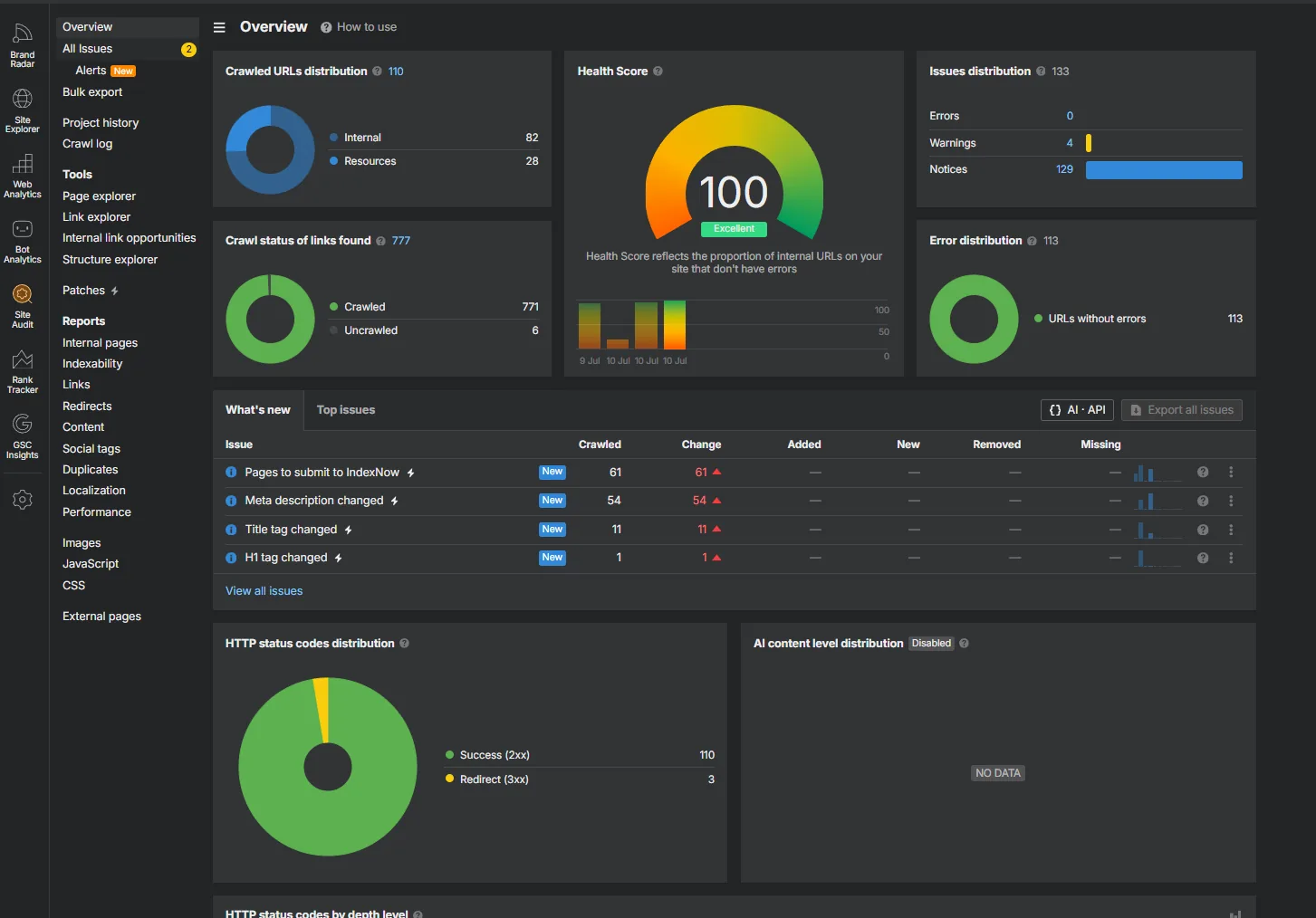
Nationwide builds still need honest local SEO for your metros. We set up properties, submit sitemaps, and confirm coverage remotely — with written checklists you can follow after the handoff call.
Remote process
Offer, geography, current site, and bottlenecks. Decide website-only vs growth-system scope.
Domain, hosting, Search Console, analytics, and GBP where relevant. Written findings before build starts.
Wireframes or page list → draft pages → revision rounds → technical launch checklist.
DNS cutover guidance, Search Console submit, operator runbook, and optional training call.
Home service and contractor websites, professional services sites, restaurant and hospitality front doors, and internal tools for owners who already run ops online. If your product requires factory walkthroughs or regulated on-prem installs, we will say so early rather than force a remote fit.
Many nationwide small business websites start as a conversion rebuild, then add local SEO depth once Search Console shows which queries earn impressions. Automation follows when inbox or follow-up volume justifies it — the same sequencing we use in Tampa Bay.
You keep ownership of domains, hosting, and analytics accounts. Knight Logics ships the build and documents how to update content or request the next lane. That ownership model matters more for remote clients who will not stop by an office for password resets.
Hand-coded or carefully scoped CMS builds with conversion CTAs, mobile call paths, schema where appropriate, analytics, and performance budgets. Local SEO add-ons (city pages, GBP cleanup) are scoped separately when your market needs map pack support.
Automation and CRM lanes can follow once the front door converts — the same pattern used for Tampa Bay clients, delivered without requiring you to fly to Florida.
Kickoff call, written scope, staging link for review, revision round, launch checklist, and a short handoff call. You are not paying for daily standups — you are paying for shipped pages and systems with operator notes.
Nationwide small business websites still need local honesty: if you serve Phoenix suburbs or Charlotte metros, your city pages and GBP must reflect that geography. Remote delivery changes how we collaborate, not whether local SEO rules apply.
When a project needs photography, we can coach a simple phone shoot list or work from your existing job galleries. When a project needs on-site Pinellas work, Tampa Bay clients can schedule that separately from remote U.S. builds.
Remote web design US engagements succeed when owners reply on staging feedback within a few business days. Slow feedback loops — not distance — are what stretch timelines.
Ready to scope? Bring your current site URL, service list, and metros you want to win. We will tell you what belongs in a foundation website versus a later automation lane.
FAQ
No. Proof and case studies are Tampa Bay–heavy because that is where we operate on-site, but remote web design US and automation projects ship nationwide.
We apply the same NAP, schema, city/service architecture, and GBP parity rules to your metros — using your photos, coverage radius, and review links.
Video calls, shared docs, staging URLs, and account access you control. You approve milestones before launch.
Scope drives price — not ZIP code. Travel is only added when on-site work is explicitly requested outside the normal Tampa Bay radius.
Yes when DNS, hosting, and CMS access are available. Sometimes the right move is a targeted rebuild rather than endless template patches.
Foundation websites often land in weeks after scope lock; growth systems and automation lanes phase after the site converts.
Most discovery and review calls are scheduled in Eastern Time with flexible windows. Async updates (staging links, recorded walkthroughs, written checklists) keep Pacific and Central clients moving without waiting on a same-day site visit.
Typically domain DNS, hosting or Git deploy rights, Google Business Profile manager access when visibility is in scope, and Search Console/Analytics for measurement. You keep ownership; we work inside accounts you control.
No. Remote city and service pages use your photos, coverage radius, competitors, and review proof. Tampa Bay case studies demonstrate delivery quality — they are not copy-pasted into your market.
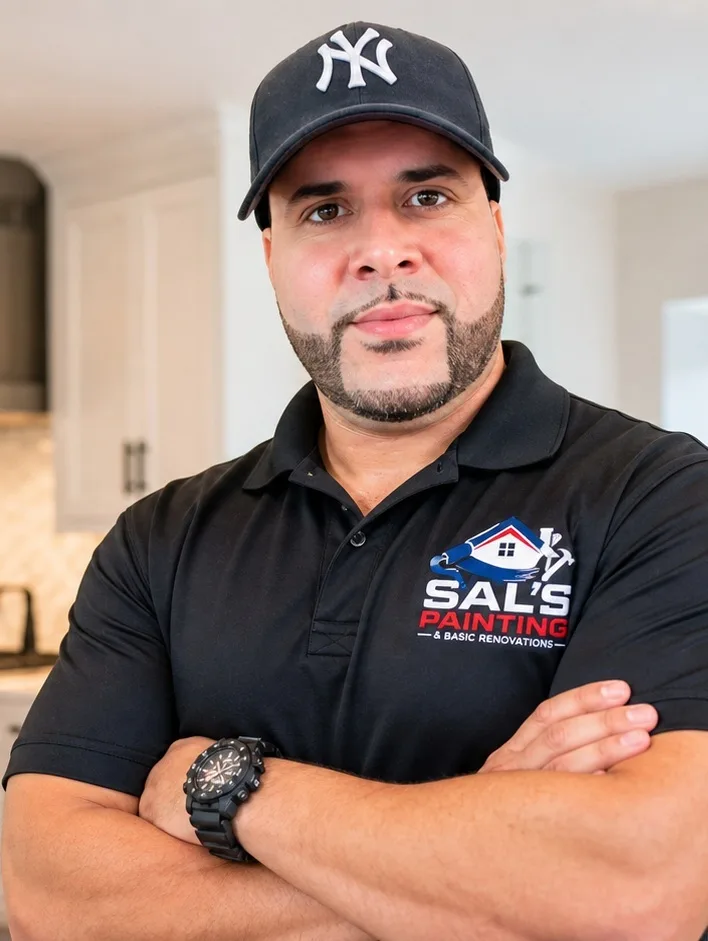
Remote does not mean anonymous. Kickoff clarifies offer, geography, and conversion goal. You receive a written scope: pages, integrations, GBP/SEO depth, and what is explicitly out of bounds. Staging URLs get reviewed on video or async Loom-style walkthroughs so you see the real product — not a vague mock deck.
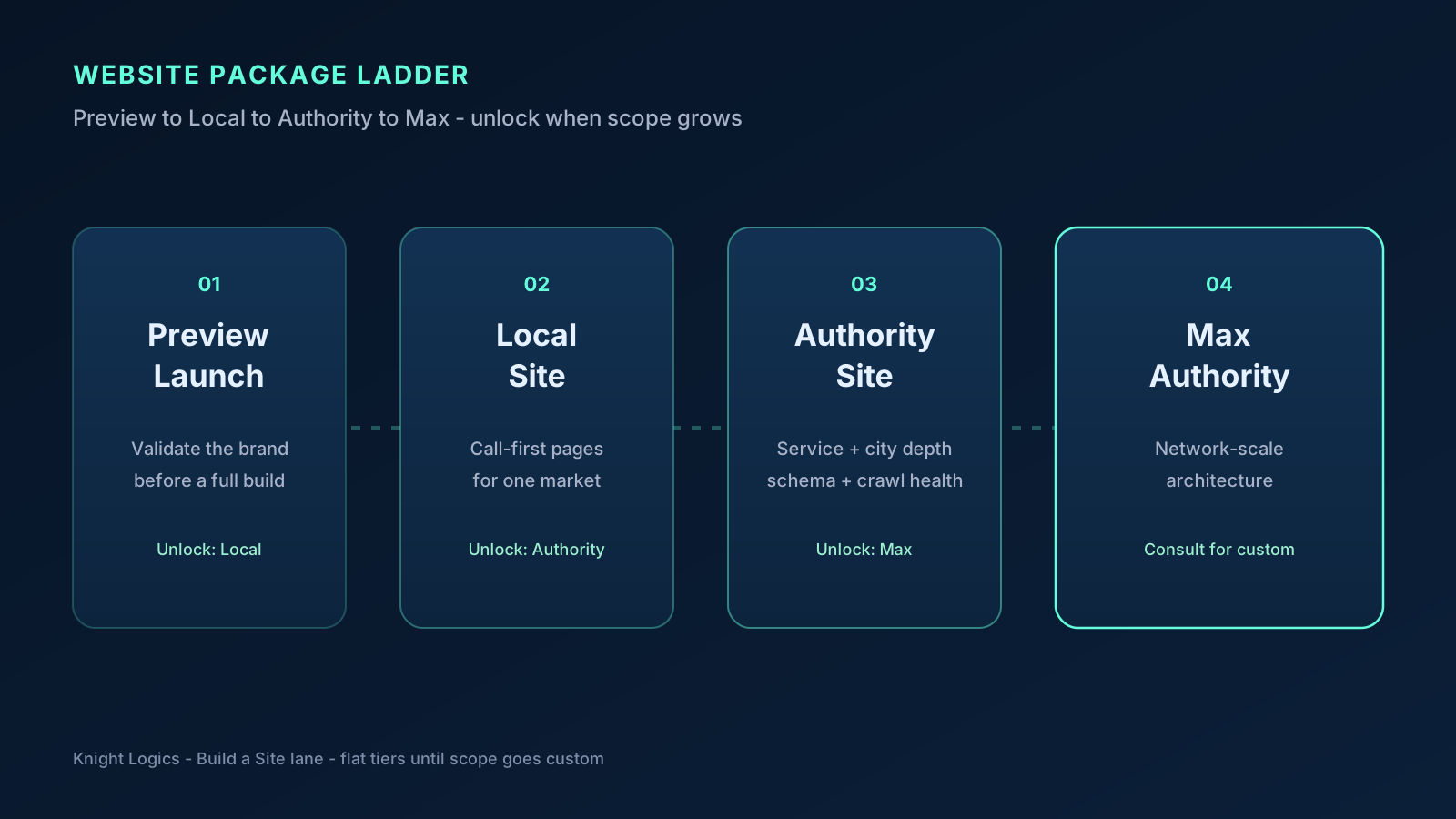
Launch includes DNS/SSL, form tests, schema sanity, Search Console property setup when scoped, and a short punch-list window. After launch, you choose Maintenance for ongoing edits/GBP cadence or Growth Systems when lead handling, outreach, or referrals become the bottleneck. The same package ladder on pricing applies whether you are in Safety Harbor or Seattle.
When on-site photography or a kickoff meeting would help and you are inside the Tampa Bay radius, we schedule it. Outside that radius, we coach remote photo capture and use your assets so local proof stays honest. That is how remote web design US stays credible without pretending every project has a Florida storefront.
If you already have an agency site, we audit whether to harden it or rebuild. Many remote clients keep their brand and domain while replacing template debt with hand-coded performance, clearer service architecture, and measurement that connects to GSC — the same standards documented on custom websites and local SEO.