Queue
Per-brand scheduling
Streamlit 8501 with posting windows and preview before send.
Social Poster on port 8501 queues content per brand, fires X and Facebook via API, runs LinkedIn and Nextdoor through Playwright where APIs fall short, and schedules GBP local posts beside site campaigns — with last-success timestamps and failure counters operators see during weekly review, not after a week of silent accounts.
Social automation fails when posts go quiet and nobody notices. This lane optimizes for published posts, queue health, GBP map-pack messaging aligned to owned pages, and review/social proof cadence — embedded in Knight Command beside CRM and Email-Agent, not a orphaned third-party scheduler.
Content lands in per-brand queues with posting windows, preview before send, and scheduled slots. Social Ops (8500) runs engagement sweeps; both embed in Knight Command Social Poster and Social Ops tabs — operators stop juggling five bookmarks for KL, KG, ST, and faithworks lanes.
Autoplaying muted — use controls to unmute
X and Facebook post via API bridge where tokens stay stable. LinkedIn and Nextdoor need browser automation — Playwright workers with visible last-success timestamps replaced silent gaps that left accounts quiet for days. Failures increment counters in the queue UI instead of disappearing into server logs.
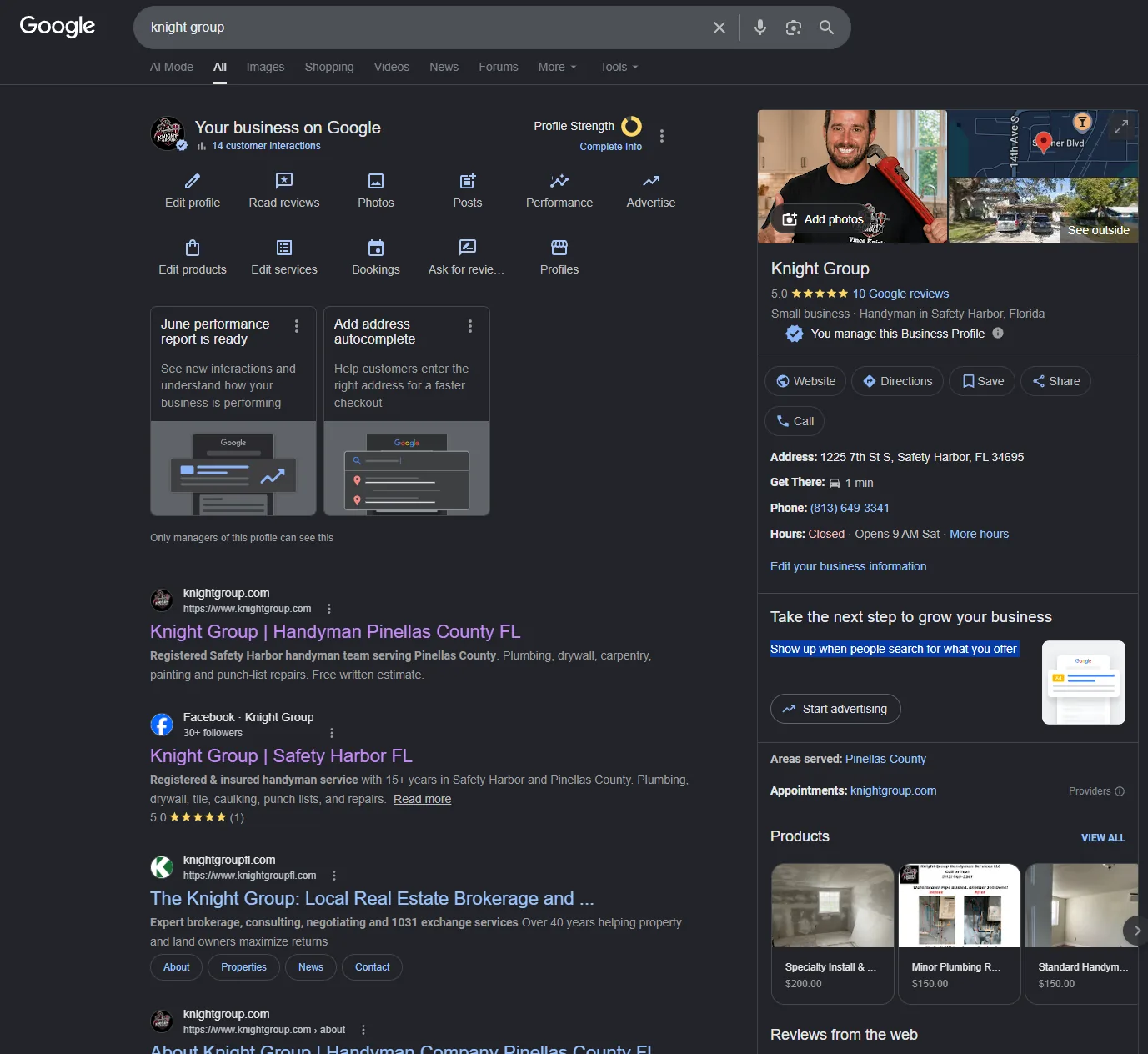
Google Business Profile posts schedule alongside site promotions — service launches, seasonal offers, and gallery highlights. GBP API integration keeps local visibility coherent with local SEO pages instead of random one-off posts that contradict the site.
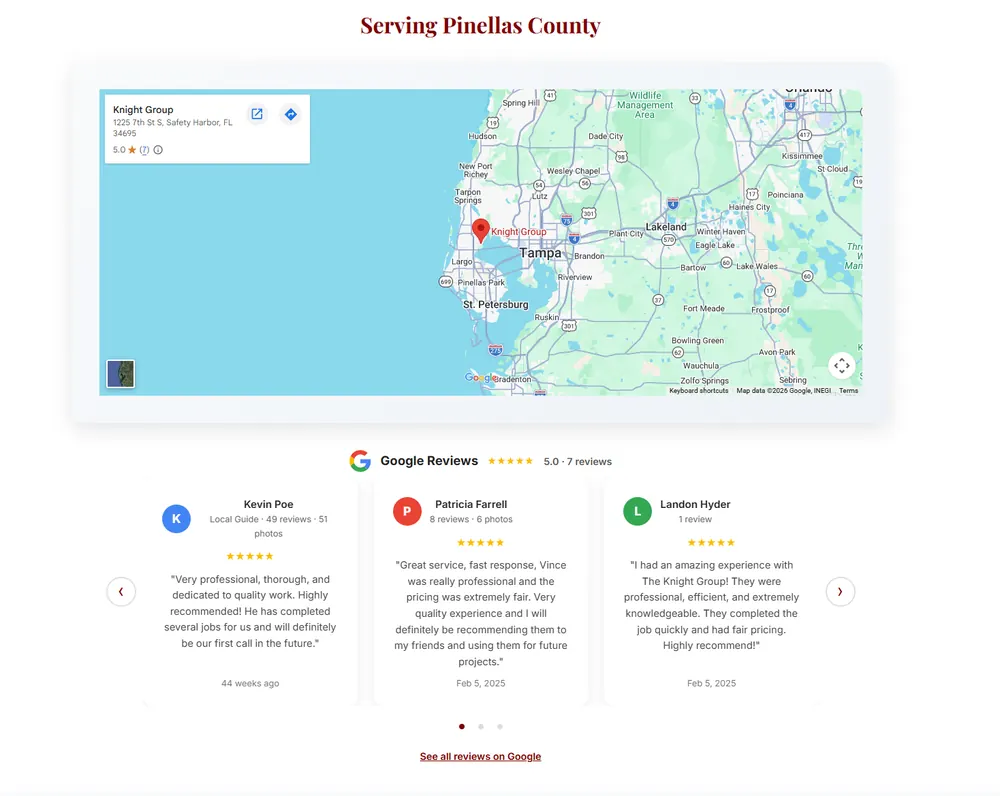
Separate queues and credential vaults per brand — Screen Team pool enclosure content, Knight Group project photos, Faith Works land clearing, and Knight Logics agency updates stay isolated. Wrong-account posts are a brand-risk failure mode this architecture prevents by design.
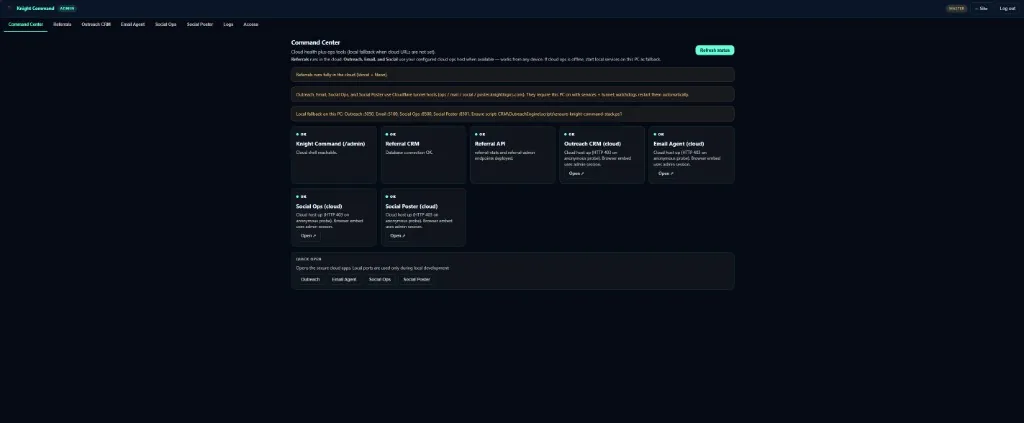
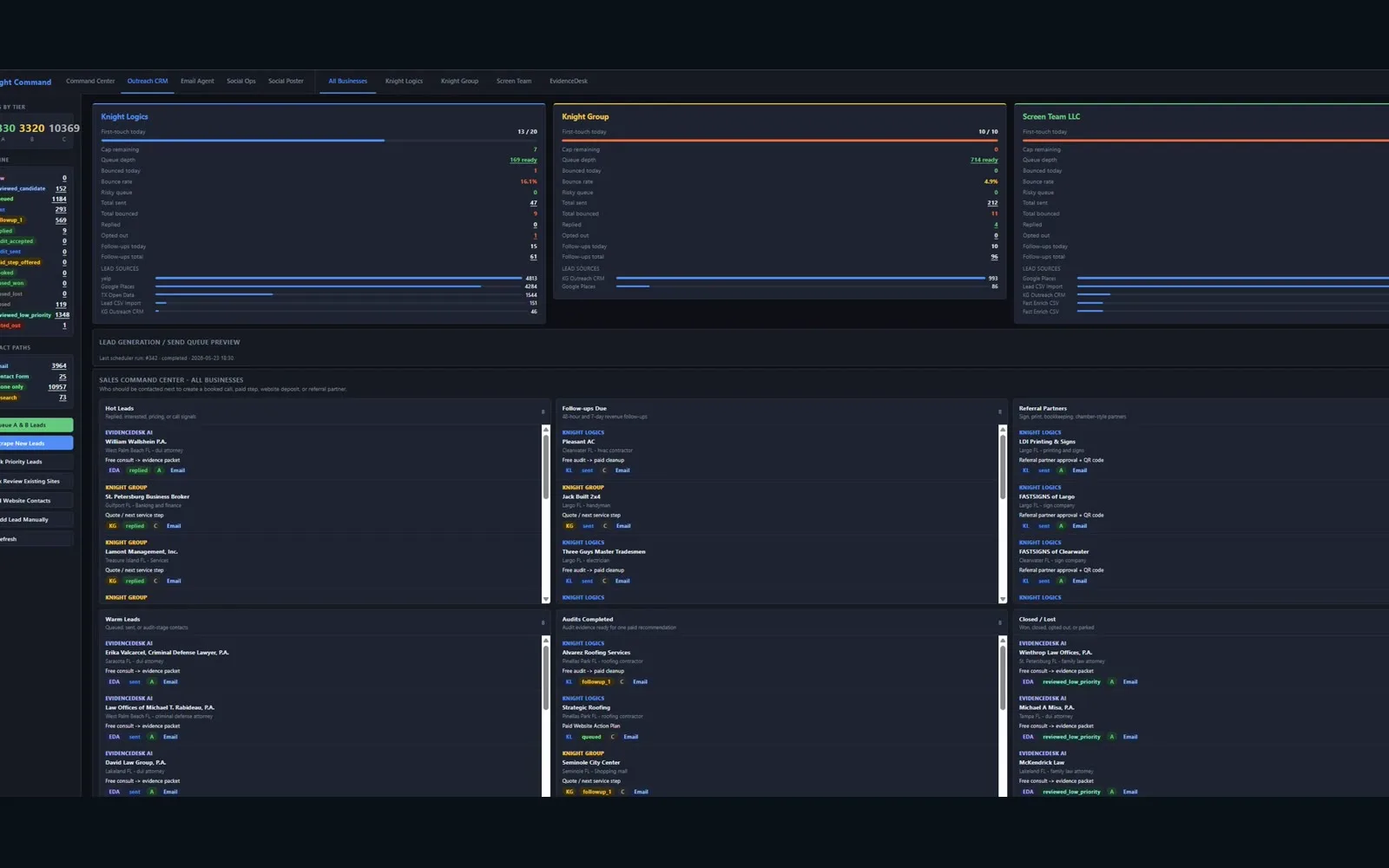
Knight Command queue health view shows outreach caps, email backlog, social last-success timestamps, and referral pipeline status in one morning pass. Social failures are ops incidents — not marketing vanity metrics discovered during a quarterly audit.
Social scheduling infrastructure — queues, runners, GBP, and failure reporting.
Queue
Streamlit 8501 with posting windows and preview before send.
Hybrid
X/Facebook API; LinkedIn/Nextdoor Playwright where required.
GBP
GBP API posts aligned to website campaigns and review surfaces.
Health
Last-success timestamps and counters — same-day visibility.
Brands
KL, KG, ST, faithworks queues never cross accounts.
Production Social Poster runners on live client brands — published posts and queue health, not screenshot mockups.
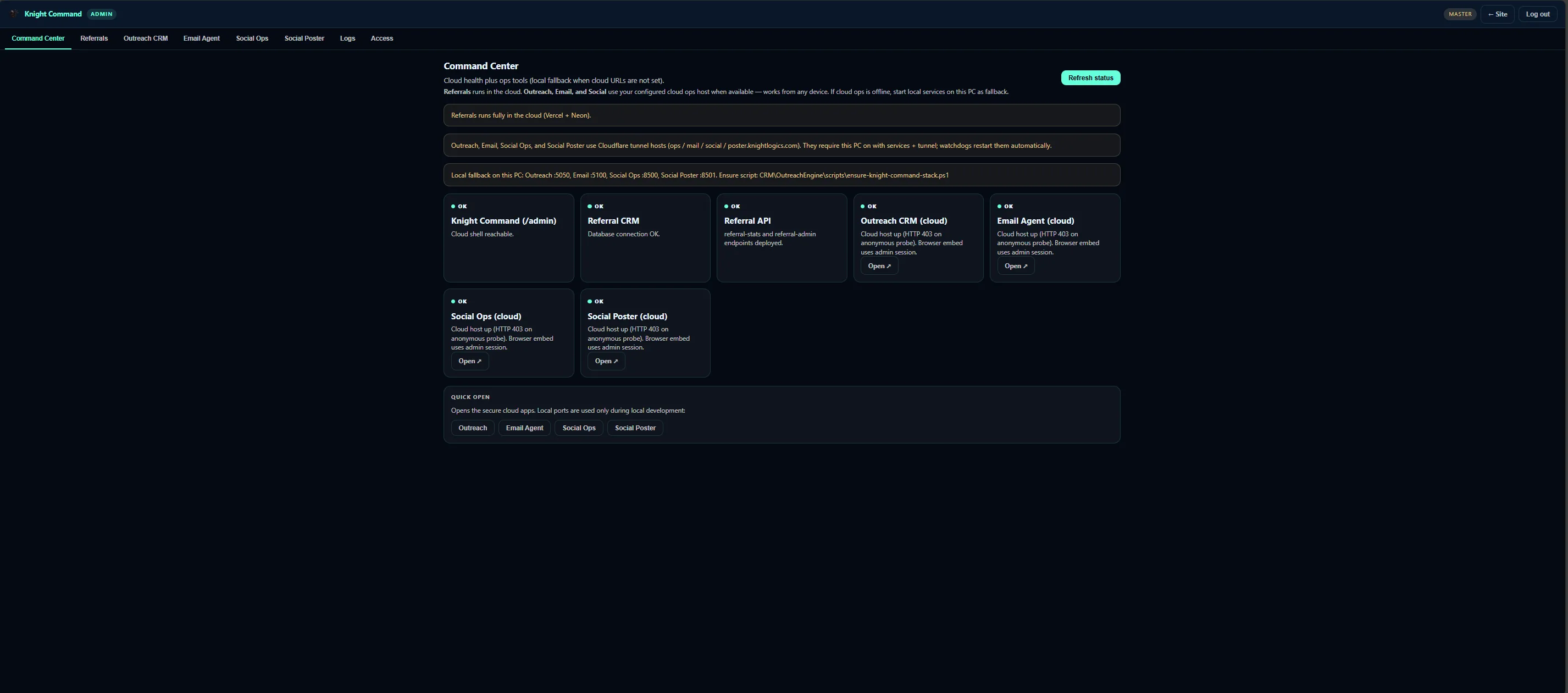
Ops embed Knight Command · port 8501
Operators who already open Knight Command for morning review see social queue depth, last-success timestamps, and failure counters in the same shell — not a disconnected scheduler nobody checks.
Publish lane Social Media Manager
The walkthrough shows queue management, platform selection, and publish confirmation — API paths for X/Facebook and browser runners where LinkedIn and Nextdoor require Playwright. Outcome: posts land on schedule with failures visible immediately.
Outcome Queue health review
Last-success timestamps per platform and brand turn social ops into a checklist item during weekly review — caps, sources, and Sales Command Center context beside outreach and email backlog.
Social infrastructure phased per brand — channels, credentials, and failure reporting before scaling cadence.
Which platforms per brand — API path vs Playwright path, GBP post cadence.
Per-brand vaults, posting windows, and content templates — isolation by design.
API bridge plus Playwright workers; GBP API configured for local posts.
Social Poster tab with Logs integration and last-success timestamps.
Weekly queue health pass — expand cadence only after failures are visible and triaged.
Published posts, queue health, and local proof — not vanity scheduling dashboards.
Scheduled posts fire with fewer multi-day silent gaps across brands.
Broken runners surface in UI and Logs — not discovered during weekly audit.
Map-pack posts match owned website campaigns and service pages.
Brand isolation stops KG project photos posting from ST credentials.
Social Poster production proof — queue runners and GBP outcomes on live brands.
Multi-brand queues with API and Playwright runners plus GBP integration.
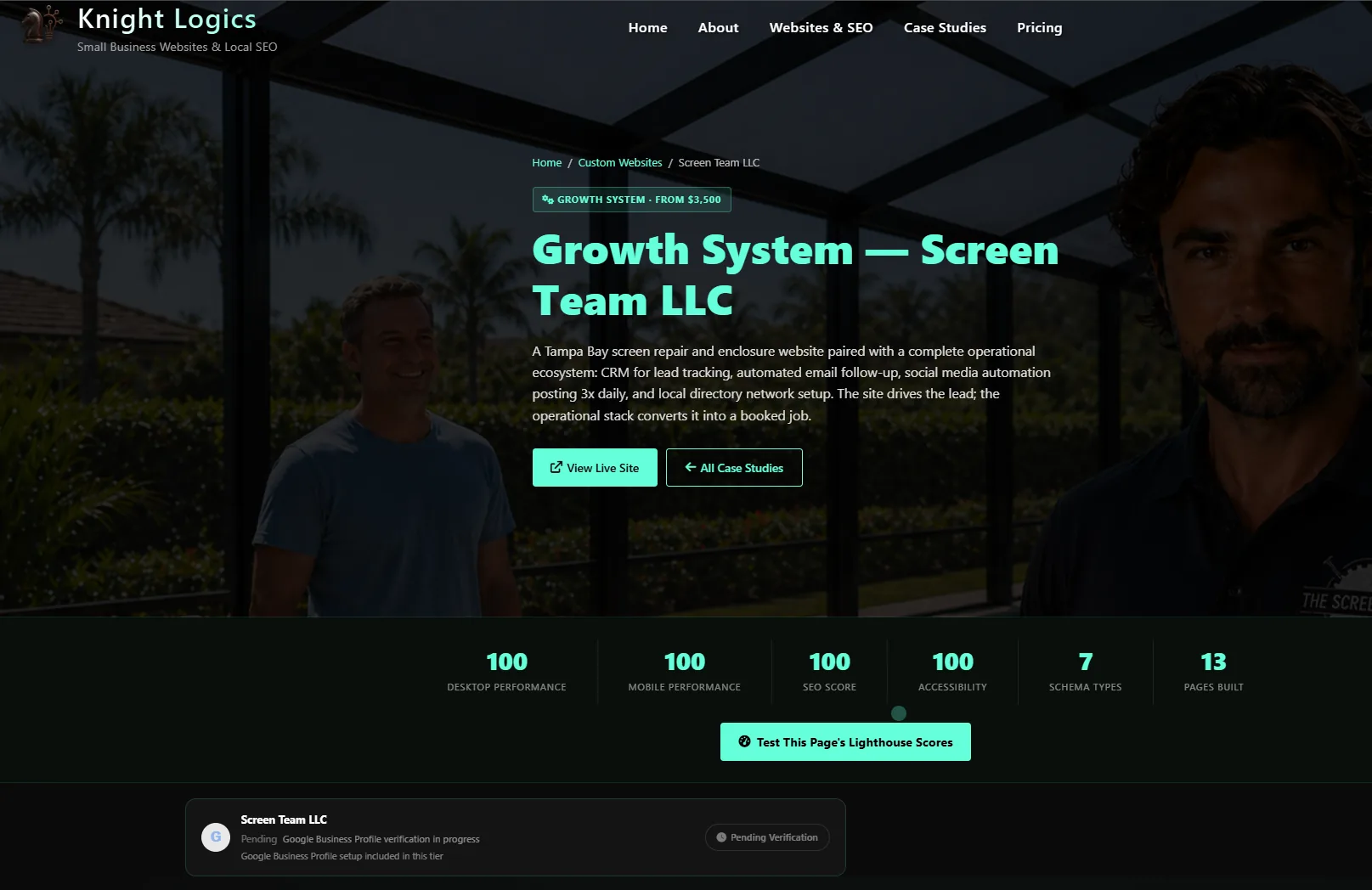
Pool enclosure brand assets and GBP-aligned campaigns feeding st social queue.
Social tabs beside CRM, email, and referrals — one operator login.
X and Facebook use API clients where stable; LinkedIn and Nextdoor typically use Playwright runners; GBP posts use the Business Profile API for local cadence.
Published posts landing on schedule, last-success timestamps updating per platform, GBP posts aligned to site campaigns, and failure counters visible during weekly operator review — not queue depth alone.
Separate queues and credential vaults per company (KL/KG/ST/faithworks) so one brand’s content cannot post to another account by accident.
Systems focus — queue and posting infrastructure. Content can be supplied by your team, field job composites, or scoped separately.
Social Poster UI, operator queue health view, and Knight Command Logs tab — not silent email-only alerts after a week of quiet accounts.
Tampa Bay multi-brand operators who need social scheduling with LinkedIn/Nextdoor coverage, GBP posts, and visible failure reporting beside CRM and email lanes.
List brands and platforms — we will scope API vs Playwright runners, GBP cadence, and Knight Command embed.
Request a Consultation